
Coal remains a cornerstone of the global energy landscape, powering industries and generating electricity for millions. However, raw, mined coal is often far from ready for use. Extracted in large, unwieldy chunks, it requires efficient processing to transform it into a valuable, marketable product. The first and most critical step is crushing.
The choice of coal crusher isn’t just a matter of breaking rock; it’s a strategic decision that directly impacts your bottom line. The final coal(particle size) is a key quality metric. An incorrect size can lead to inefficient combustion, rejected shipments, and lost revenue. So, what machine should you use to crush coal? This guide will delve into the most suitable coal crushers, comparing their strengths and helping you select the perfect equipment for your specific needs.
Top Crusher Recommendations for Coal Processing
Based on industry standards and mechanical principles, here is a comparison of the two most effective coal crushers.
1. Jaw Crusher: The Robust Primary Crusher
A Jaw Crusher is the undisputed champion of primary crushing. Its design is simple, rugged, and built to handle the biggest materials straight from the mine.
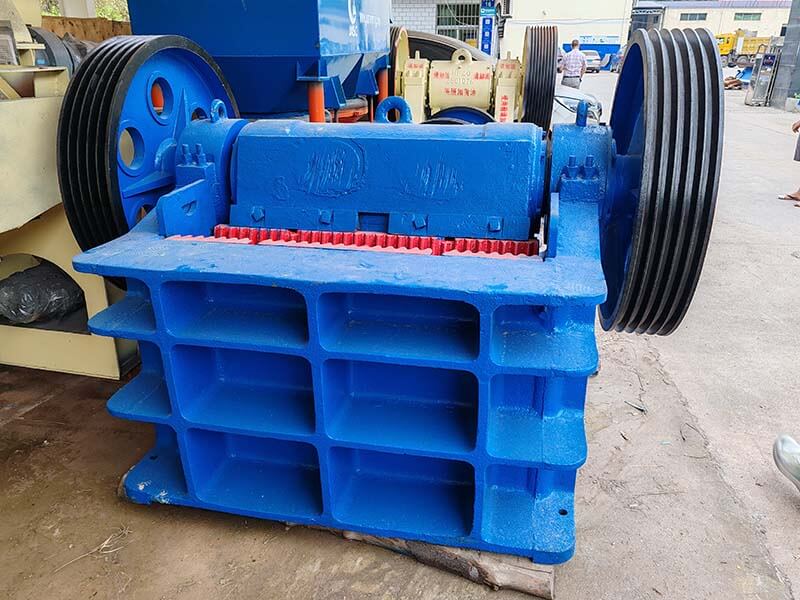
How It Works: The crusher features two jaw plates, a fixed one and a movable one. The movable jaw exerts immense force against the fixed jaw in an elliptical motion, compressing and breaking the large coal chunks trapped between them. The eccentric shaft is the heart of the machine, with a flywheel on one side to balance the intense forces and ensure smooth operation.
Ideal For:
- Primary (Coarse) Crushing: It is a primary crushing machine.
- Large Feed Size: It can effortlessly accept coal lumps 1000mm and reduce them to a manageable size for the next stage (typically under 600mm).
- Hard and Abrasive Materials: While coal is generally not highly abrasive, the jaw crusher’s robust construction makes it reliable for harsh feed conditions.
Advantages:
- High Capacity and Reliability: Simple design means fewer breakdowns and the ability to handle high volumes.
- Handles Large Feed: No need for pre-crushing for most mined coal.
- Robust Construction: Built with heavy-duty components for long service life.
Consideration:
It is typically the first step in a multi-stage crushing circuit.
2. Hammer Crusher: The Versatile All-Rounder
If the Jaw Crusher is the specialist, the Hammer Crusher is the versatile multi-tool. It is exceptionally well-suited for coal due to its high-reduction ratio and ability to produce a well-graded final product in a single stage.
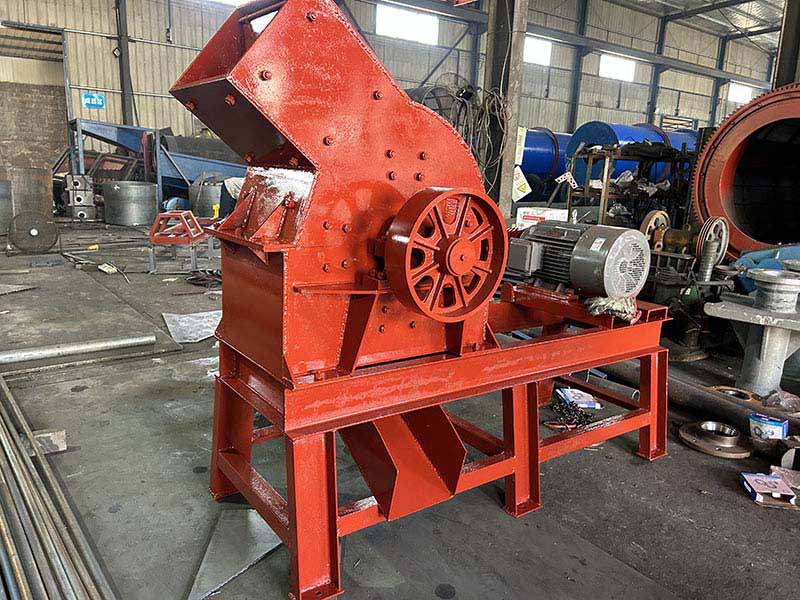
How It Works: This crusher operates on the principle of impact. A rotor with fixed or swinging hammers spins at high speed inside a sturdy housing. The coal is fed into the chamber, shattered by the explosive impact of the hammers. The crushed material is then forced through grate bars (screen plates) at the bottom, which determines the final product size.
Ideal For:
- Single-Stage Crushing: Can perform primary, secondary, and tertiary crushing in one unit.
- High-Reduction Ratios: Can take medium-sized feed and reduce it directly to the desired final product.
- Producing Specific Sizes: By adjusting the gap between the hammers and the grate bars, or by changing the grate bars themselves, you can precisely control the output size.
Advantages:
- Versatility: A single machine can often replace a two-stage crushing system.
- Cost-Effectiveness: Lower initial investment and installation costs for smaller to medium-sized operations.
- Precise Size Control: Excellent for producing a saleable product directly.
Consideration:
Can be more susceptible to wear and higher maintenance costs if processing abrasive materials, but this is less of a concern with most coal.
The Question: Jaw Crusher or Hammer Crusher for Wet Coal?
The stickiness of wet coal can cause significant issues, such as clogging.
The Short Answer: Both can work, but the context of your operation is key.
The Detailed Analysis:
1. Using a Jaw Crusher for Wet Coal:
- Scenario: Jaw crushers are a viable option when the coal feed consists of large wet chunks (e.g., 800mm – 1000mm).
- Rationale: The crushing action of a jaw crusher—compression and squeezing—is less prone to packing and clogging compared to an impact-based machine, provided the discharge opening is set wide enough. Its primary role here would be to break these massive lumps into smaller, more manageable pieces (e.g., 200mm-300mm).
- Typical Setup: It is rarely used alone for wet coal. It usually acts as the primary crusher in a two-stage system, with its output then fed to a secondary crusher (like a non-clog hammer mill or a roll crusher) better suited to handle wet, sticky material in the smaller size range.
2. Using a Hammer Crusher for Wet Coal:
- Scenario: A hammer crusher is an excellent choice if the feed size is not excessively large and your goal is a single-stage process.
- Rationale: The high-speed impact of the hammers can help break up sticky masses. Furthermore, many modern hammer crushers designed for coal feature self-cleaning grates and a large crushing chamber to minimize the risk of plugging.
- Key Advantage: Its ability to take a medium-sized feed and produce a finished, specified product in one pass makes it incredibly efficient. For operations looking to minimize equipment footprint and cost, a well-chosen hammer crusher is often the superior solution for wet coal, provided the feed size is appropriate.
Making the Final Choice: A Strategic Summary
To make the best decision for your coal crushing needs, follow this simple flowchart of questions:
1. What is your maximum feed size?
If > 500mm: You will almost certainly need a Jaw Crusher for the primary stage.
If < 500mm: You can likely use a Hammer Crusher as a single-stage solution.
2. What is your target output size?
If you need a coarse product, the primary Jaw Crusher may be sufficient.
If you need a specific, finer product (e.g., 10-30mm), the Hammer Crusher is the ideal choice for its precision and high-reduction capability.
3. Is the coal consistently wet or sticky?
For large, wet feed: Start with a Jaw Crusher to break it down, then assess the need for secondary crushing.
For medium-sized, wet feed: A heavy-duty Hammer Crusher designed for wet conditions is likely your most efficient and cost-effective bet.
4. What is your budget and space constraint?
For a lower-cost, compact solution: A single Hammer Crusher wins.
For a high-volume, multi-stage plant: A Jaw Crusher + Hammer Crusher combination offers maximum flexibility and control.
Conclusion
There is no one-size-fits-all answer to “what is the best coal crusher?” The right choice hinges on a careful analysis of your feed material, desired product, and operational constraints. The rugged Jaw Crusher is your go-to for taming the largest raw coal, while the versatile Hammer Crusher excels at creating a perfectly sized final product efficiently.
By understanding the strengths of each machine, you can invest in a crushing solution that not only processes your coal but optimizes your entire operation, ensuring your final product is crushed competitively and profitably, ready for the market.
We offer customization for additional models to meet the diverse requirements of our customers. The price of the mining equipment will be determined by the manufacturer’s type, machine model, manufacturing process capacity, etc. We can provide a range of mining equipment, including stone crushers. You are welcome to consult JXSC‘s professional engineers to get a quotation based on your requirements. We can design a sand-making and crushing production line flow chart for you.
