
In the world of industrial minerals and recycling, few materials offer the versatility and growing demand of glass powder. For mining and aggregate professionals seeking to diversify into value-added materials or integrate recycling streams, understanding the processing of glass into powder unlocks significant opportunities. This comprehensive guide will walk you through what glass powder is, its wide-ranging applications, and the critical crushing and grinding processes and equipment needed to produce it efficiently and profitably.
What is Glass Powder? Applications of Glass Powder
Glass powder, often called ground glass or pulverized glass. While it can be produced from virgin materials, the most economically and environmentally compelling source is post-consumer and post-industrial recycled glass. It includes bottles, windows, windshields, and glass from construction and demolition waste. By diverting this material from landfills and processing it, companies create a valuable commodity with a surprisingly diverse market.
The applications for recycled glass powder are extensive and growing, spanning multiple industries:
- Construction & Concrete: This is one of the largest markets. Glass powder acts as a pozzolanic material—a supplementary cementitious material (SCM). When finely ground, it reacts with lime in cement to form additional binding compounds, enhancing the strength and durability of concrete while reducing its carbon footprint. It can replace a portion of Portland cement, leading to “greener” concrete mixes.
- Abrasive Blasting Media: Glass powder is manufactured into a safe, effective, and recyclable abrasive for surface preparation (like removing rust, paint, and scale from metal) and etching. It’s a popular alternative to silica sand, which poses serious respiratory health risks (silicosis).
Fillers and Extenders: In paints, plastics, coatings, and adhesives, fine glass powder serves as an inert filler. It can improve texture, durability, and chemical resistance while reducing raw material costs. - Filtration Media: Its chemical inertness and controlled particle size make it excellent for use in water filtration systems and swimming pool filters.
- Art and Decorative Applications: From terrazzo flooring and countertops to glass-reinforced sculptures and landscaping mulch, glass powder provides aesthetic and functional benefits.
- Road Construction and Asphalt: Glassphalt, or glass-filled asphalt, uses glass powder as an aggregate, which can improve reflective properties and durability.
For mining and aggregate operations, adding glass powder processing represents a strategic move into the circular economy, creating a new revenue stream from waste while meeting the demand for sustainable construction materials.
The Crushing and Grinding Process of Glass Powder: A Step-by-Step Breakdown
Transforming bulky, often contaminated glass into a uniform, fine powder requires a systematic, multi-stage process. Each stage reduces particle size progressively while managing contamination. Here’s a detailed look at the standard workflow:
Step 1: Pre-Processing and Primary Crushing
The journey begins with collected glass cullet (broken glass). This material often contains contaminants like plastic labels, metal caps, ceramics, and organic residues. A robust pre-processing system is essential:
- Sorting & Cleaning: Magnetic separators remove ferrous metals, while air classifiers or manual sorting lines remove loose paper and plastic. Washing systems may be employed for heavily soiled glass.
- Primary Crushing (Coarse Crushing): Feed the cleaned glass into a primary jaw crusher or a heavy-duty impact crusher. This stage breaks down large pieces of glass (bottles, sheets) into smaller, more manageable fragments, typically ranging from 25mm to 50mm (1-2 inches) in size.
Step 2: Secondary Crushing & Screening
Convey the coarsely crushed glass to a secondary crusher for further reduction.
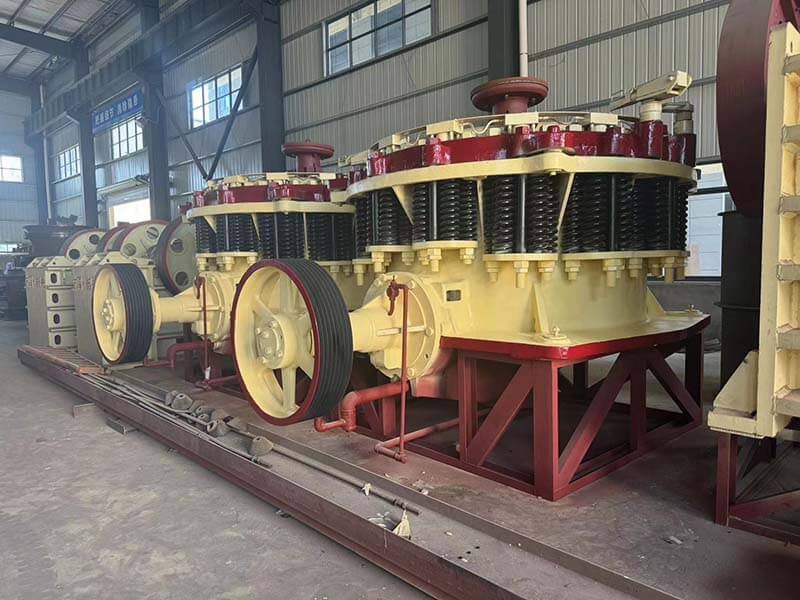
- Secondary Crushing: Equipment like cone crushers, hammer mills, or fine impact crushers takes the 25mm material and reduces it to particles smaller than 10mm (3/8″). Hammer mills are particularly effective; they use swinging hammers on a rotating shaft to shatter the glass against breaker plates.
- Screening: After secondary crushing, the material passes over vibrating screens. Oversized particles go back to the secondary crusher (closed-circuit crushing), while the correctly sized material moves forward. This stage may also include a final dewatering step.
Step 3: Fine Grinding (Tertiary & Quaternary Milling)
It is the heart of glass powder production, where the product achieves its final fineness and functional properties. The choice of grinding mill depends heavily on the target particle size distribution (PSD).
- Tertiary Grinding: For applications such as filtration media or coarse fillers, a vertical shaft impact (VSI) crusher or a coarse ball mill may be sufficient to achieve a sand-like consistency (e.g., 20-100 mesh).
- Fine & Ultra-Fine Grinding: For high-value applications like pozzolanic cement replacement or fine fillers, achieving a PSD similar to or finer than cement (often 45 microns or less) is critical. This requires specialized fine grinding equipment:
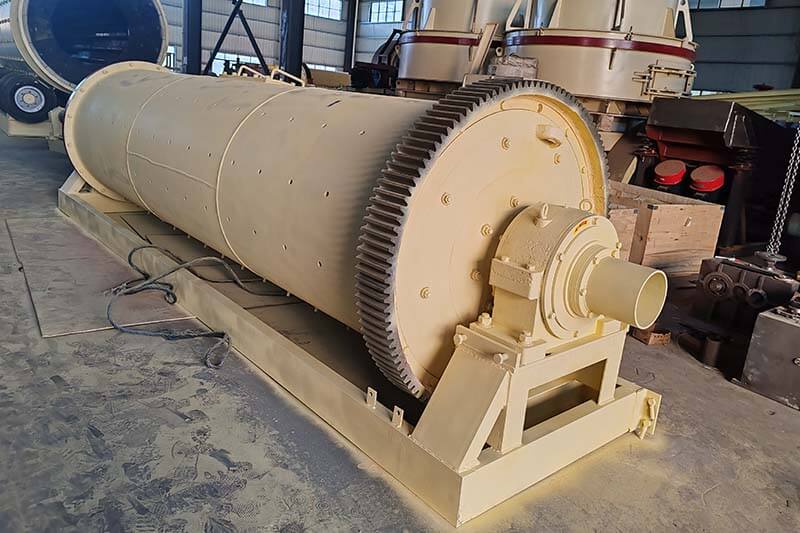
- Ball Mills: A workhorse of mineral processing, a rotating drum filled with steel grinding media tumbles the glass, resulting in a consistent, rounded granule. Ideal for general-purpose glass powder.
- Raymond Roller Mills (Vertical Roller Mills): These use pendulum-mounted rollers that grind against a rotating ring. They are energy-efficient for producing medium to fine powders (100-400 mesh) and offer good control over particle size.
- Bowl Mills (Coal Pulverizer Style): Similar to roller mills, these are effective for dry grinding glass to a consistent fineness.
Step 4: Classification and Packaging
After grinding, classify the powder to ensure it meets the target specification.
- Air Classifiers: Integrated with the grinding mill or operating in a closed circuit, air classifiers use centrifugal force and airflow to separate fine particles from coarse ones. The coarse material is returned for further grinding, ensuring a tight, consistent PSD.
- Cyclones and Baghouse Filters: These collect the finished powder from the air stream, with baghouses also serving as essential dust control equipment to meet health, safety, and environmental standards.
- Packaging & Storage: The final powder is conveyed to silos for bulk shipment or to bagging machines for smaller packages.
Essential Equipment Checklist for a Glass Powder Processing Plant
Building or retrofitting a plant for glass powder requires a carefully selected equipment lineup. Here is a summary of the core machinery needed:
A. Crushing Circuit:
Feeder: Vibrating Grizzly Feeder or Apron Feeder to regulate material flow.
Primary Crusher: Jaw Crusher or Large Impact Crusher.
Secondary Crusher: Cone Crusher, Hammer Crusher, or Fine Impact Crusher.
Vibrating Screens: For sizing and ensuring closed-circuit efficiency.
Conveyors: Belt conveyors to move material between stages.
B. Pre-Processing & Contaminant Removal (Critical for Recycled Glass):
Magnetic Separator: Over-band or drum magnets to remove ferrous metals.
Air Classifier/Wind Sifter: To remove light contaminants like paper and plastic.
Manual Sort Line: For removing ceramics, stones, and non-ferrous metals.
Log Washer or Scrubber: (Optional, for heavily soiled glass).
C. Grinding & Classification Circuit:
Fine Grinding Mill: The core of the operation. Choose based on desired fineness:
Ball Mill
Raymond/Vertical Roller Mill
Bowl Mill
Jet Mill (for ultra-fine)
Air Classifier: Dynamic or static classifier integrated with the mill.
Bucket Elevator or Pneumatic Conveyor: To feed and move finished powder.
D. Material Handling & Dust Control:
Cyclone Collectors: For initial powder recovery from the air stream.
Baghouse Filter (Dust Collector): Non-negotiable. Essential for capturing fine particulate, protecting worker health (silica dust), and meeting EPA/OSHA regulations.
Silos & Storage Hoppers: For raw cullet and finished powder.
Packaging System: Bulk load-out stations or automated bagging machines.
E. Power & Control:
Robust Motor Control Centers (MCCs): To handle the electrical load of motors.
Programmable Logic Controller (PLC) System: For automated, efficient, and safe plant operation.
Key Considerations for Success
- Abrasion Wear: Glass is highly abrasive. All equipment in the material stream—especially crusher liners, mill internals, and conveyor skirts—must be made from or lined with abrasion-resistant materials.
- Dust Control: Silica dust from grinding glass is a respiratory hazard.
- Feed Consistency: The more consistent and clean the input cullet, the more efficient the process and the higher the quality of the final powder. Invest in good pre-processing.
Conclusion
Processing glass into powder is a tangible example of modern resource recovery, turning a perennial waste challenge into a portfolio of valuable products. For the mining and aggregates industry, with its core expertise in crushing, grinding, and material handling, this represents a logical and profitable diversification. By selecting the right equipment and focusing on a clean, consistent feed and tight particle size control, operators can successfully produce a sustainable material.
We offer customization for additional models to meet the diverse requirements of our customers. The price of the mining equipment will be determined by the manufacturer’s type, machine model, manufacturing process capacity, etc. You are welcome to consult JXSC‘s professional engineers to get a quotation based on your requirements. We can design a sand-making and crushing production line flow chart for you.
